Every company runs on a people operating system. Most founders never designed theirs.

So it breaks at the worst possible time. Usually right when you scale.

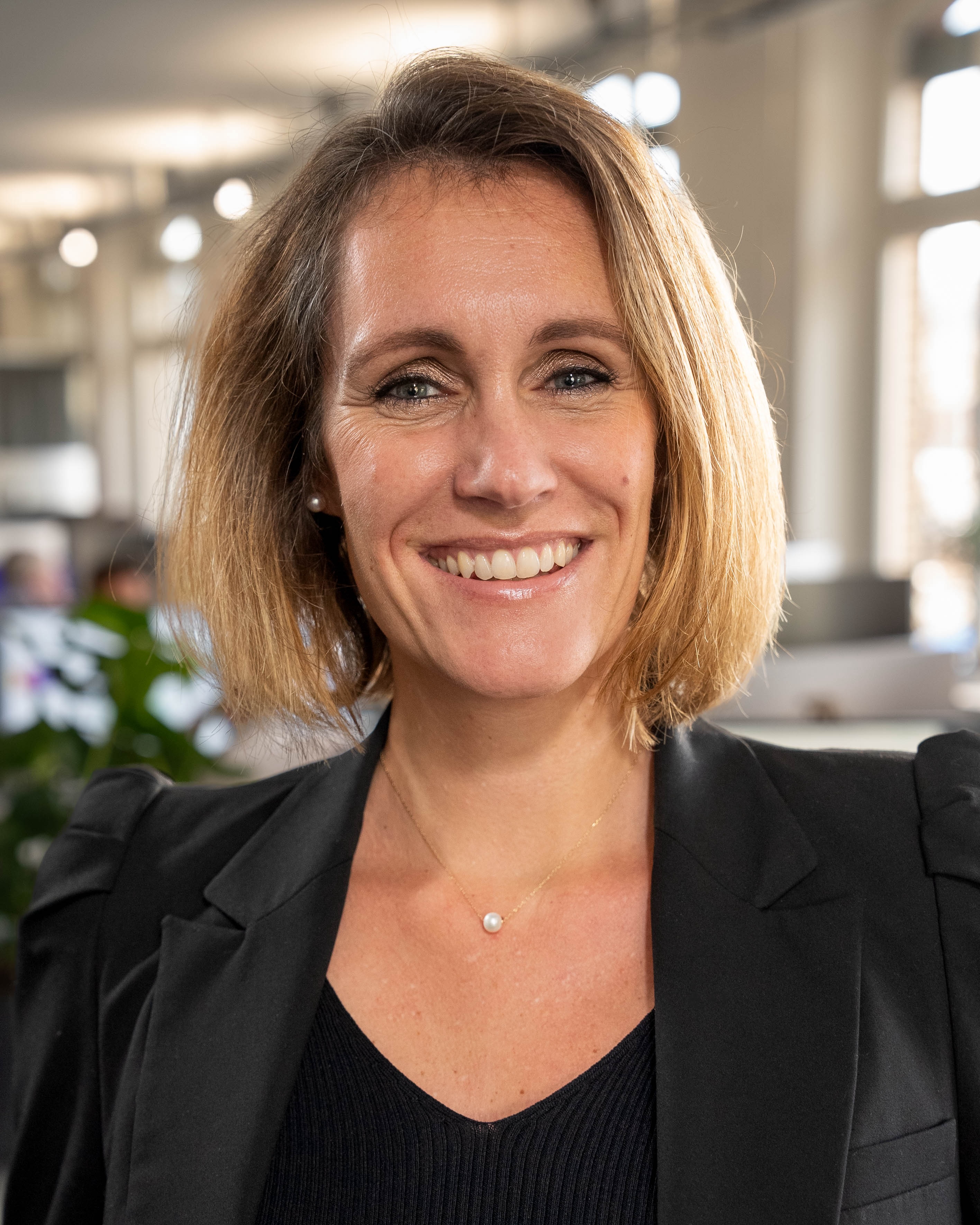
I'm Carina. I build the people operating system that keeps growing companies fast, before the cracks cost them their best people.

Carina Hütte

I know how to build, grow, scale, and retain, from a two-person team to a corporate floor. I've done it across building from scratch, fast scaling, mergers, carve-outs, transformations, and wind-downs. The situations change. The people patterns don't.

So I know what breaks at 25 people, at 50, at 100. I also know what makes it work, and what to put in place before it breaks. Now I do that work fractionally. I come in for a fixed window, build the system your team will run for years, and leave you stronger than I found you.

I represent People & Culture at Operator Circle, an operator-led VC. I'm a founding partner at Blaze, a community of fractional C-suite leaders.

I look at people topics from the founder seat, not the HR seat. That means I care about your business first and your org chart second.

The problem

Your company already has a people system. The question is whether anyone built it on purpose.

When no one designs it, it designs itself. And the default version always favors short-term speed over what holds up later.

This is true at two people and at two hundred. The early team that never set its principles. The scale-up adding headcount faster than structure. The company going through a merger or a wind-down. Same root, different size. The parts that cost you most are the ones no one is watching.

The five blind spots that cost the most

None of them scream for attention. They stay quiet, then surface as loud crises later.

Compliance landmines

Early shortcuts in contracts, policies, or employment terms look harmless. Then an audit, a dispute, or due diligence finds them.

Cost: deals stall, fines hit, valuations drop.

Single point of failure

Critical knowledge or client relationships sit with one or two people. If they leave, continuity breaks.

Cost: delivery slips, risk concentrates on individuals.

Capability blind zone

The skills your next stage needs aren't in place. The gap only shows once growth depends on them.

Cost: strategic moves stall, opportunities slip away.

Scale-by-volume trap

Adding headcount instead of fixing systems. Workload grows, efficiency falls.

Cost: costs climb faster than revenue, runway shortens.

Talent market signal risk

Every candidate and every exit leaves an impression. If the experience is poor, the best people quietly look elsewhere.

Cost: the pipeline dries up when you need it most.

You don't need a 200-page handbook. You don't need a full-time CPO yet. You need the right people system for where you are now, and one that's ready for where you're going.

That's the work.

Start here

Find your blind spots in five minutes

Take the five-minute test. Answer a few honest questions and get an instant read on where your people system is about to cost you, and what to fix first.

01

You answer, honestly

Twelve questions about where you are and what's about to change. Five minutes, no jargon.

02

You get a clear read

The full breakdown shows up on screen the moment you finish. Which part of your people system needs work first, how urgent it is, and what to do about it.

03

And we take it from there

If your results look like something worth a real conversation, hit the contact button at the end. I'll come back to you by email.

Other ways founders bring me in

The call points to where you start. Often it's inside the 5F system. Sometimes it's one of these instead.

First-team setup

The people basics for your earliest hires. Built right the first time, so you don't unpick it later.

Cofounder and key hires

How to evaluate the people who will shape everything. The hires you cannot afford to get wrong.

Tools and automation

The right HR stack for your stage, not a bloated one. Plus automating the manual work eating your time.

Fractional on retainer

Ongoing support when you want a people leader in the room, without a full-time hire.

The system

All the work runs on the 5F system, the framework I use to build people architecture that grows as fast as you do. You don't start at the beginning. You start where you need to. The call tells us where.

F1

Foundation

Clarity before chaos. Purpose, principles, the way you decide.

F2

Frameworks

Roles, ownership, the structure that prevents friction from 5 to 25.

F3

Flow

The employee experience, designed on purpose. How people join, learn, grow.

F4

Force

Performance and energy. Leaders as multipliers, without burnout.

F5

Future

Built to adapt. Transitions, scaling, exits handled with integrity.

Most companies need two or three of these, not all five. Let's find out which ones, then build only what moves you forward.

Check your people system

Different question? Just ask.

The test is the easy way in. But if you've got something else on your mind, an early-stage setup, a tricky hire, a tool or process question, start here.

Drop me a line and I'll come back to you.

Contact Carina

If you're scaling fast and you can feel the cracks starting to show, that's the moment. Not after.

The fix is cheap now and expensive in six months.